

+918048093623

Currently it only shows your basic business info. Start adding relevant business details such as description, images and products or services to gain your customers attention by using Boost 360 android app / iOS App / web portal.

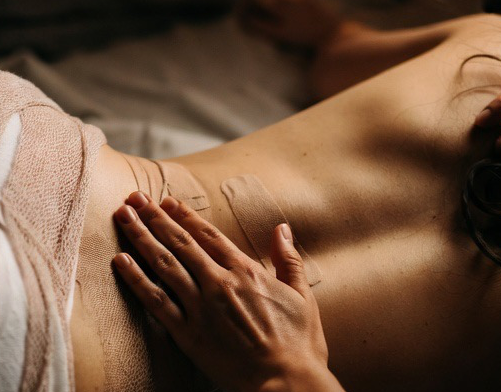
Low back pain is no longer just a “muscle strain” problem — it has become one of the leading causes of disability across the world. From corporate professionals sitting 10 hours a day to fitness enthusiasts lifting incorrectly, almost 8 out of 10 adults experience low back pain at some point in life. As a spine health advocate, understanding the cause, prevention, and modern treatment options is the key to long-term recovery. What is Low Back Pain? Low back pain refers to discomfort in the area between the lower ribs and the buttocks. It may be: • Acute (lasting less than 6 weeks) • Subacute (6–12 weeks) • Chronic (more than 3 months) Pain can be localized or radiate down the leg (sciatica). Common Causes of Low Back Pain in Adults 1. Muscle or Ligament Strain Sudden lifting, improper posture, gym injuries, or prolonged sitting can strain back muscles. 2. Lumbar Disc Problems • Disc bulge • Disc prolapse • Degenerative disc disease When a disc presses on a nerve, it may cause leg pain, numbness, or tingling. 3. Lumbar Canal Stenosis Narrowing of the spinal canal due to age-related degeneration. 4. Facet Joint Arthritis Wear and tear of spinal joints causing stiffness and morning pain. 5. Postural and Lifestyle Factors • Long hours at desk • Weak core muscles • Obesity • Smoking Red Flag Symptoms – When to See a Spine Specialist Seek immediate medical evaluation if you experience: • Weakness in legs • Loss of bladder or bowel control • Severe night pain • Fever with back pain • History of cancer with new back pain Diagnosis of Low Back Pain Evaluation includes: • Clinical examination • Posture analysis • Neurological assessment • MRI scan (if persistent or nerve symptoms present) • X-rays for alignment and degeneration Modern Treatment Options 1. Conservative Treatment (First Line) • Rest (short duration) • Anti-inflammatory medications • Muscle relaxants • Physiotherapy • Core strengthening exercises • Ergonomic correction • Weight reduction 2. Non-Surgical Interventions • Epidural steroid injections • Nerve root blocks • Radiofrequency ablation (for facet pain) 3. Minimally Invasive & Endoscopic Spine Surgery For patients not responding to conservative care: • Endoscopic discectomy • Interlaminar decompression • Tubular decompression These procedures offer: • Small incision • Less blood loss • Faster recovery • Early return to work Prevention: The Spine Protection Formula ✔ Strengthen core muscles ✔ Maintain healthy weight ✔ Correct sitting posture ✔ Avoid prolonged sitting (more than 45 minutes continuously) ✔ Lift with knees bent ✔ Stop smoking ✔ Regular stretching The Psychological Connection Chronic stress, anxiety, and depression can amplify pain perception. Neuroplasticity plays a role in chronic pain syndromes. Addressing emotional health is equally important in long-term recovery. When to Consult a Spine Surgeon? If pain persists beyond 6 weeks despite therapy, or if there are neurological deficits, early expert evaluation helps prevent long-term damage. Low back pain is treatable. Most patients recover with the right diagnosis, guided therapy, and disciplined lifestyle modification. Surgery is required only in selected cases. Early intervention prevents chronic disability. Low back pain treatment Mumbai, lumbar disc prolapse, sciatica treatment, lumbar canal stenosis surgery, endoscopic spine surgery Mumbai, spine specialist in Mumbai, chronic back pain management, minimally invasive spine surgery. Dr. Om Patil 🌐 Websites: Endospineworld.com | Spinewala.com 📞 Contact Numbers: 9819191896 , 9819195885 , 9819195150 📍 Address 1: 117, Broadway Healthcare, Dadar East, Mumbai 📍 Address 2: 505, Cozderm Skin Clinic, 5th Floor, Above ACME Hospital, Postal Colony Road, Chembur East, Mumbai


