

+918048093623

Currently it only shows your basic business info. Start adding relevant business details such as description, images and products or services to gain your customers attention by using Boost 360 android app / iOS App / web portal.

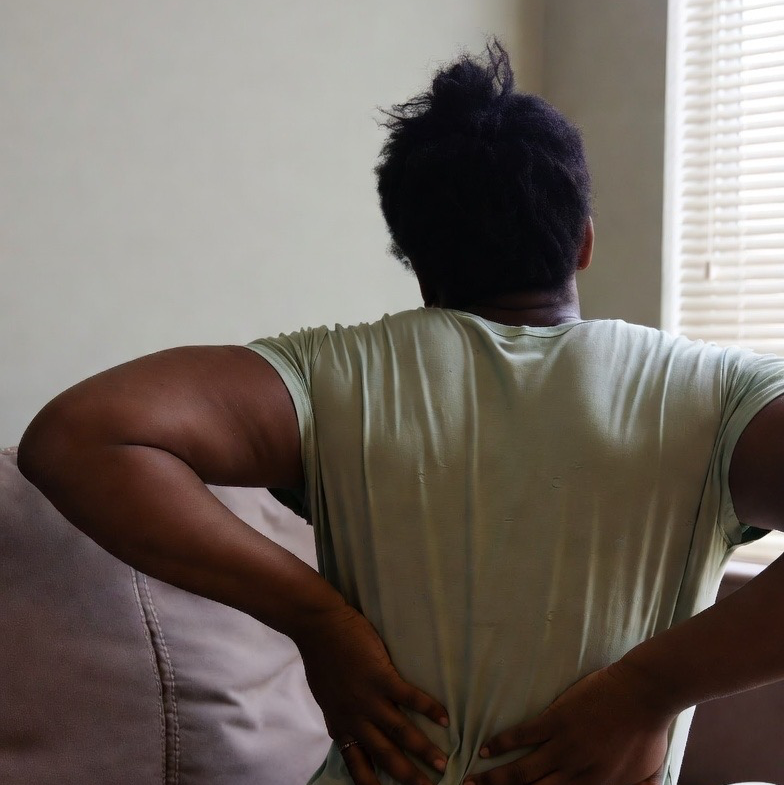
Most people who experience pain shooting from the buttock down the back of the thigh immediately assume it is sciatica from a slipped disc. But in a significant number of cases — especially in those who sit for long hours, drive daily, or do sudden heavy gym workouts — the real culprit could be Piriformis Syndrome. This is not a spine problem. It is a muscle problem that mimics sciatic nerve pain. What Exactly Is Piriformis Syndrome? The piriformis is a small, flat muscle located deep inside the buttock region, behind the gluteus muscles. Its job is to rotate your hip outward and stabilize the pelvis while walking or standing. The sciatic nerve — the largest nerve in your body — passes immediately below or sometimes through this muscle. When the piriformis becomes tight, inflamed, injured, or goes into spasm, it compresses or irritates the sciatic nerve — resulting in pain, tingling, or numbness radiating down the leg, similar to sciatica from a disc problem. ⸻ Classic Symptoms of Piriformis Syndrome • Deep aching pain in the buttock — often one-sided • Pain that shoots down the back of the thigh, occasionally reaching the calf • Pain worsens while sitting, especially on hard chairs or while driving • Crossing legs or climbing stairs increases pain • Morning stiffness while standing from bed or after long sitting • Relief with walking or lying down (unlike disc pain that worsens with movement) Who Is at Risk? Piriformis syndrome develops mostly due to poor posture or repetitive strain. ✅ People who sit for long hours — IT professionals, drivers, desk workers ✅ Gym goers performing heavy squats or leg presses without warm-up ✅ People with weak core and glute muscles ✅ Sudden jerky movements, twisting during sports or dance ✅ Women have slightly higher risk due to pelvic anatomy differences This difference is critical — because treating piriformis syndrome like a disc problem leads to unnecessary medications and sometimes even surgery. A clinical examination by a spine specialist usually confirms the diagnosis — MRI is often normal. Treatment — Mostly Non-Surgical & Highly Effective The good news: 90% of patients recover without injections or surgery when treated early and correctly. ✅ Piriformis Muscle Stretching Exercises (key therapy) ✅ Posture correction — avoid slouching or long sitting or leg crossing ✅ Warm compress & gentle massage to relax muscle ✅ Physiotherapy — manual release, dry needling, myofascial therapy ✅ Anti-inflammatory medications if pain is severe ✅ Ultrasound-guided piriformis muscle injection only in resistant cases ✅ Botox injection for muscle relaxation — rarely needed Prevention & Lifestyle Corrections • Avoid sitting for more than 45–60 minutes at a stretch • Use a cushioned ergonomic chair • Never keep wallet in back pocket while sitting (common mistake!) • Warm-up before gym workouts — especially leg day • Strengthen core + glute muscles regularly Final Takeaway Piriformis Syndrome is a muscle-related cause of sciatic nerve pain, often misdiagnosed as a spinal disc problem. Early recognition, correct stretching, and posture correction can give fast and lasting relief. With simple guided physiotherapy and lifestyle changes, most people recover completely without any surgery #spinewala #sciatica #piriformissyndrome #sciaticapain #sciaticarelatedpain #spinesurgeon #spinespecialistinmumbai #buttockpain #hipPain #dadar #Chembur #Sion #parel #matunga


